Rising Damp in Birchgrove
Damp courses, tanking and heritage-safe repairs for Birchgrove's sandstone cottages and terraces.
Rising damp in Birchgrove homes
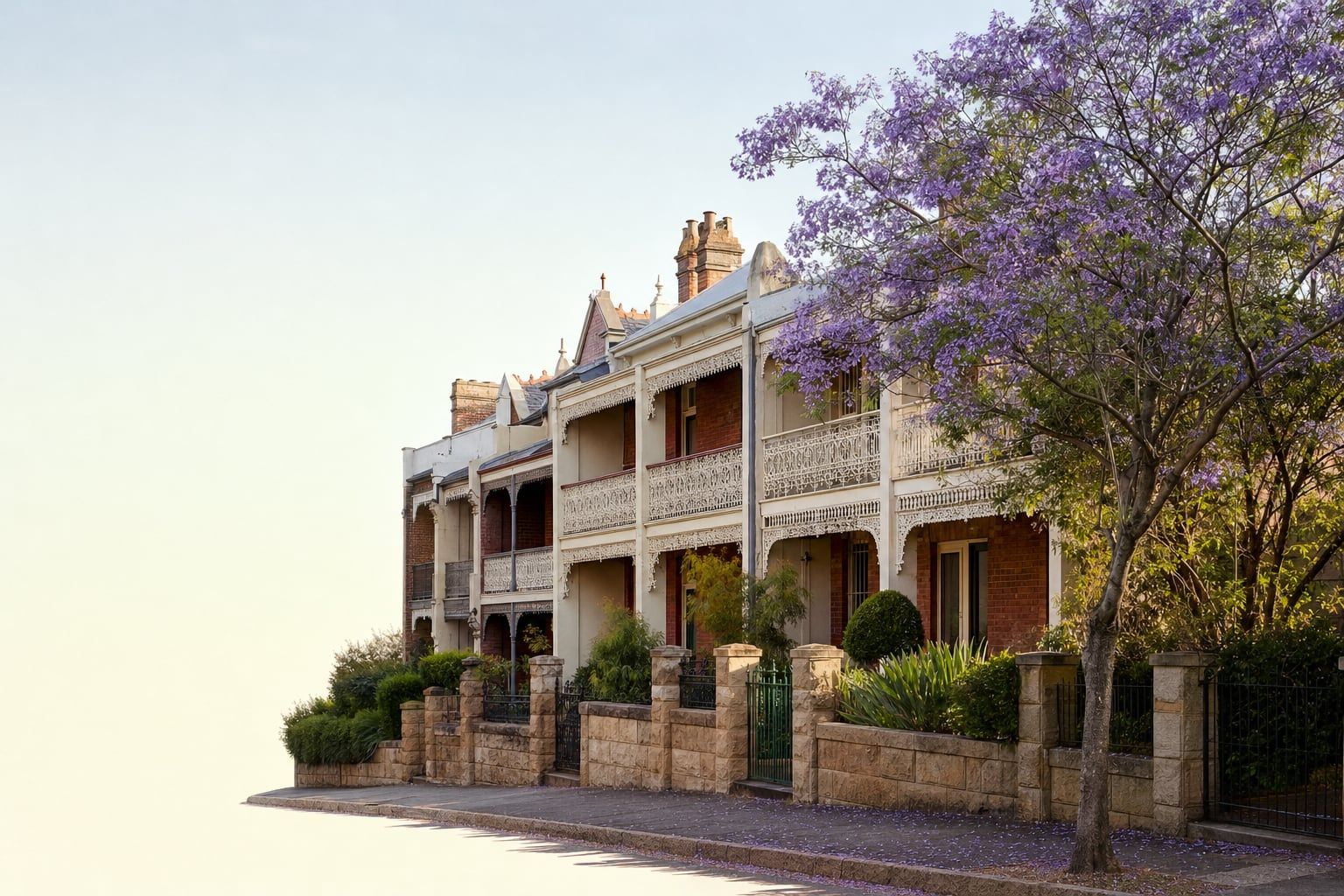
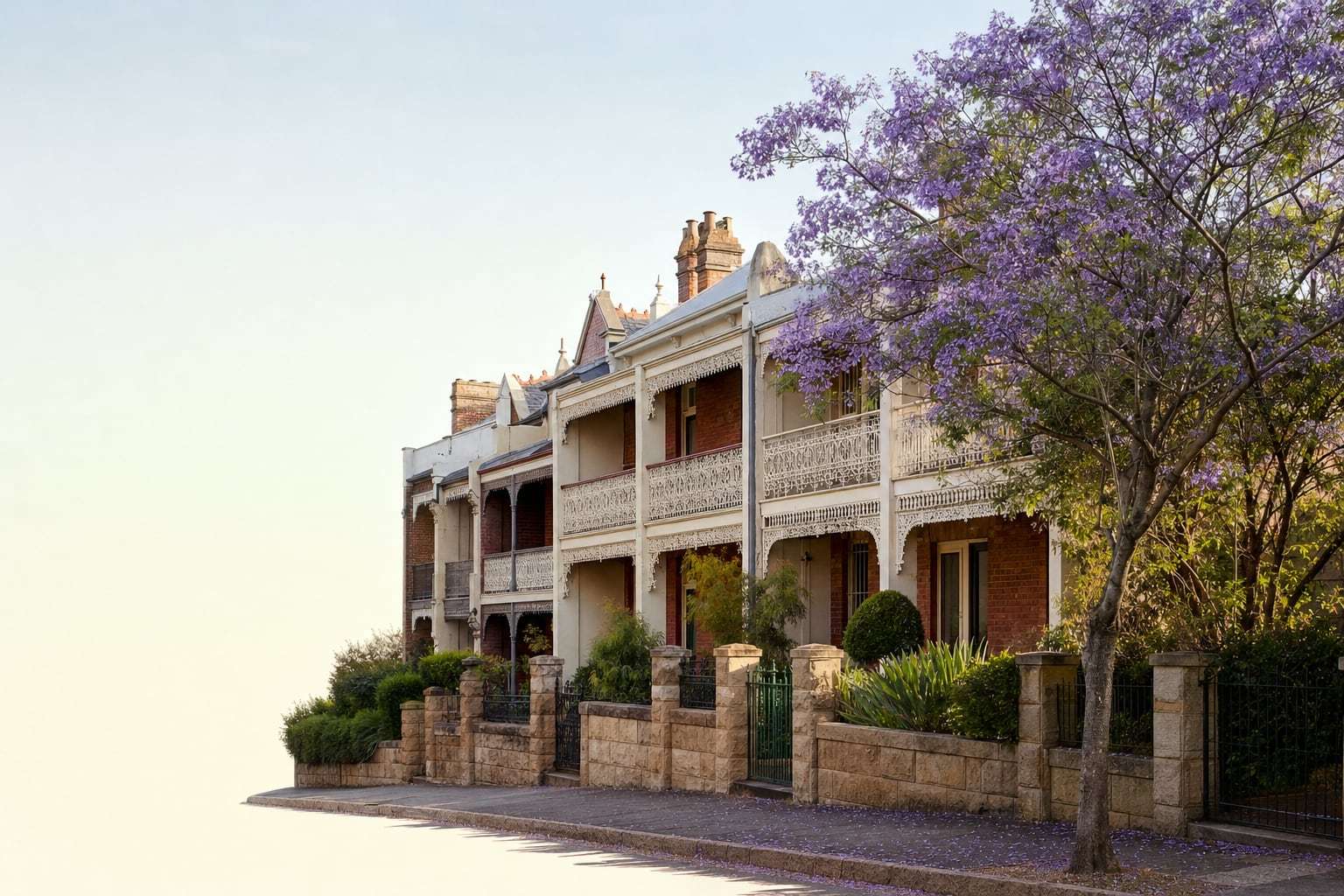
Birchgrove sits at the tip of the Balmain peninsula, surrounded by water on three sides, with Birchgrove Oval and Snails Bay at its heart. It’s one of Sydney’s most sought-after heritage suburbs, with early sandstone cottages, Victorian terraces, grand waterfront houses and narrow lanes running down to the harbour. Many of the oldest homes date from the 1840s to the 1880s.
Houses that old were built without modern damp courses, often in sandstone or brick laid straight onto rock or shallow footings. Combine that with steep blocks and harbour-side ground, and rising damp and side-on water problems are common, even in beautifully kept homes.
Streets and ground
Birchgrove’s streets climb from the waterline to the ridge along Louisa Road and Rose Street and down again on the other side. Many houses are built into the slope, with lower-ground rooms and back walls cut into rock and soil. Water running downhill after rain collects against those walls. Near the waterfront and around the low ground near the oval, the water table sits closer to the surface.
What we usually find in Birchgrove
- Sandstone walls with no damp course wicking moisture from the ground
- Lower-ground rooms cut into the slope, damp from the side
- Rubble-filled stone walls that hold water and salt deep inside
- Cement render and repointing on old stone, trapping moisture
- Salt and fretting in sandstone and soft brick near the ground
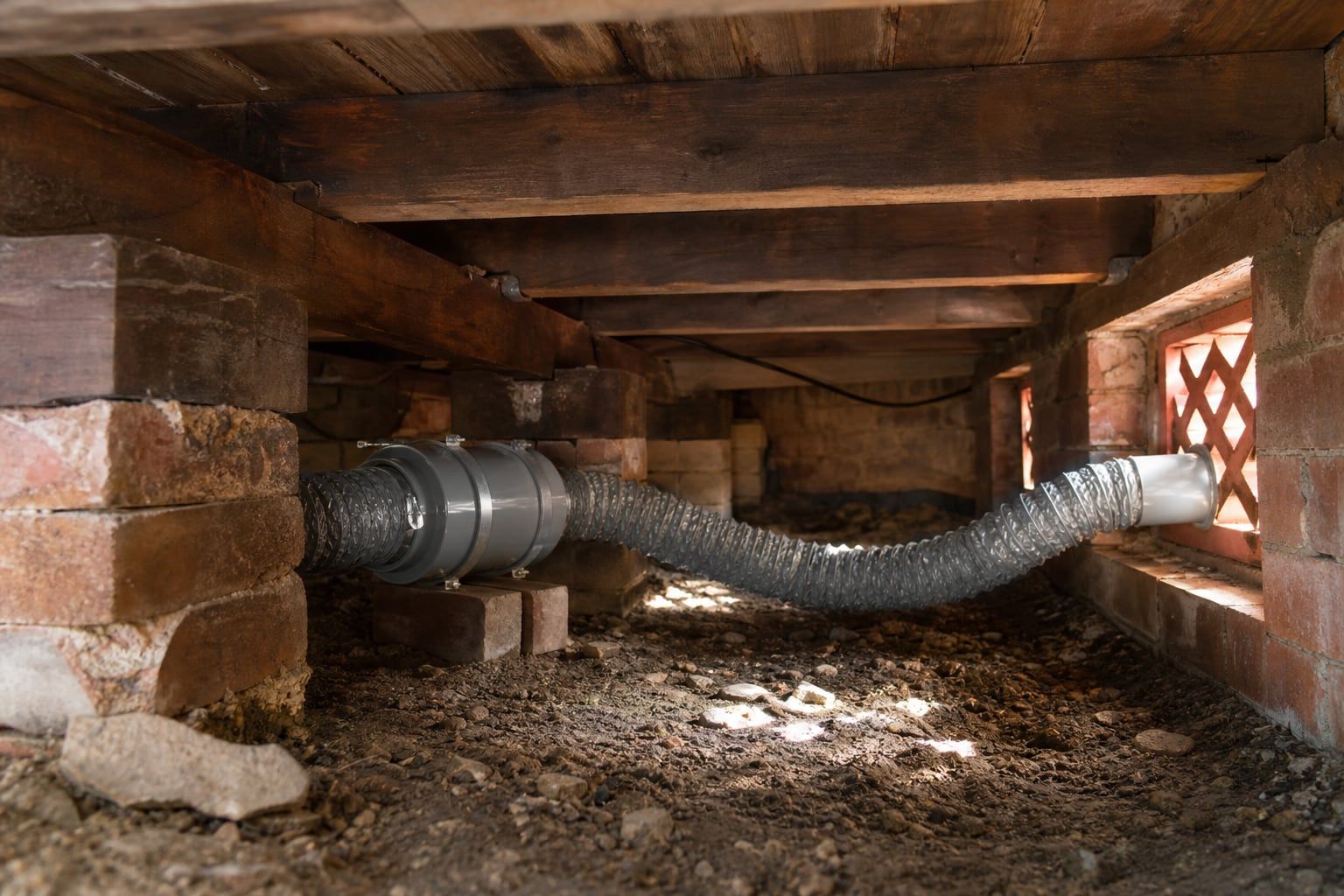
- Damp subfloors under rear rooms built against the hill
How we treat Birchgrove homes
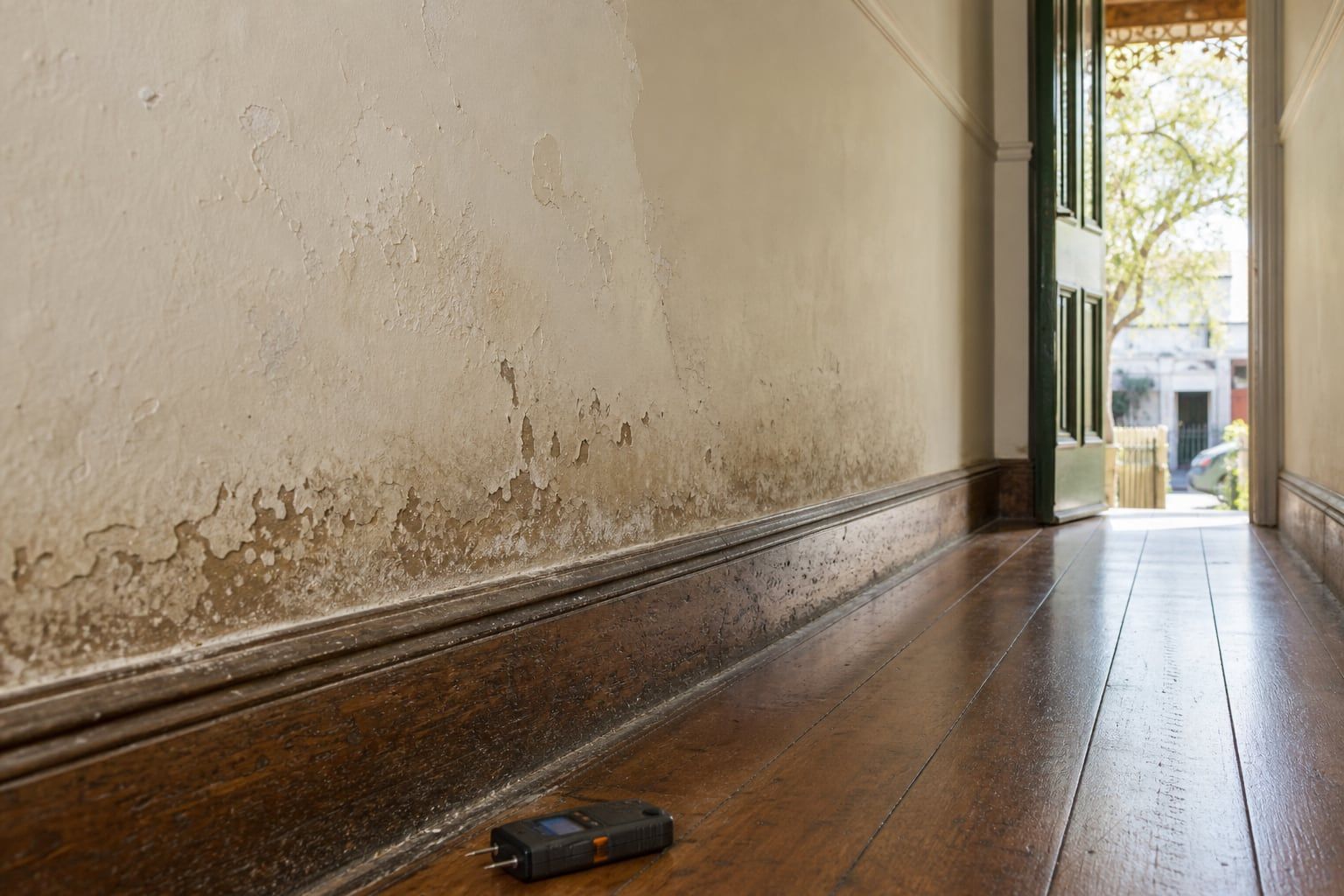
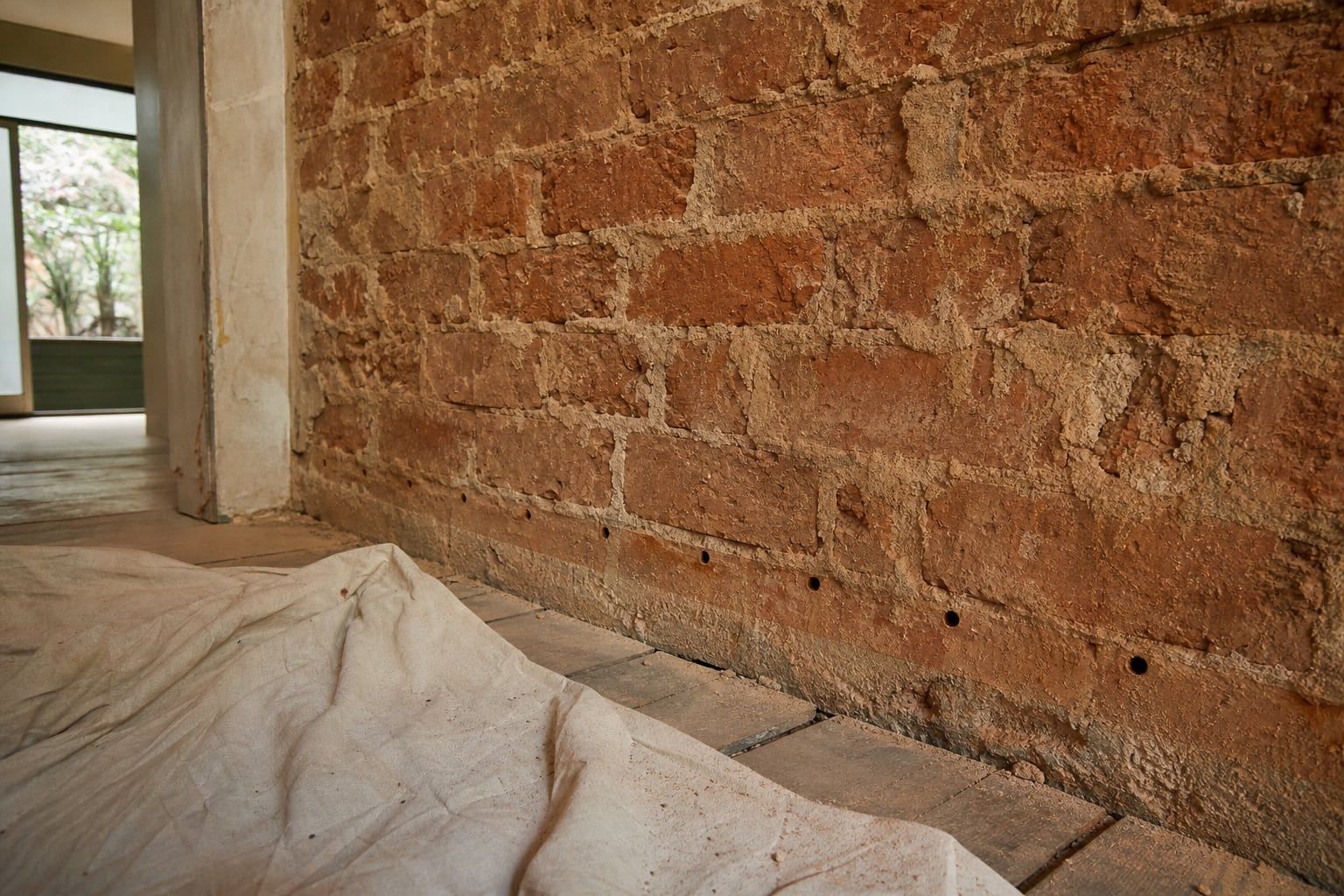
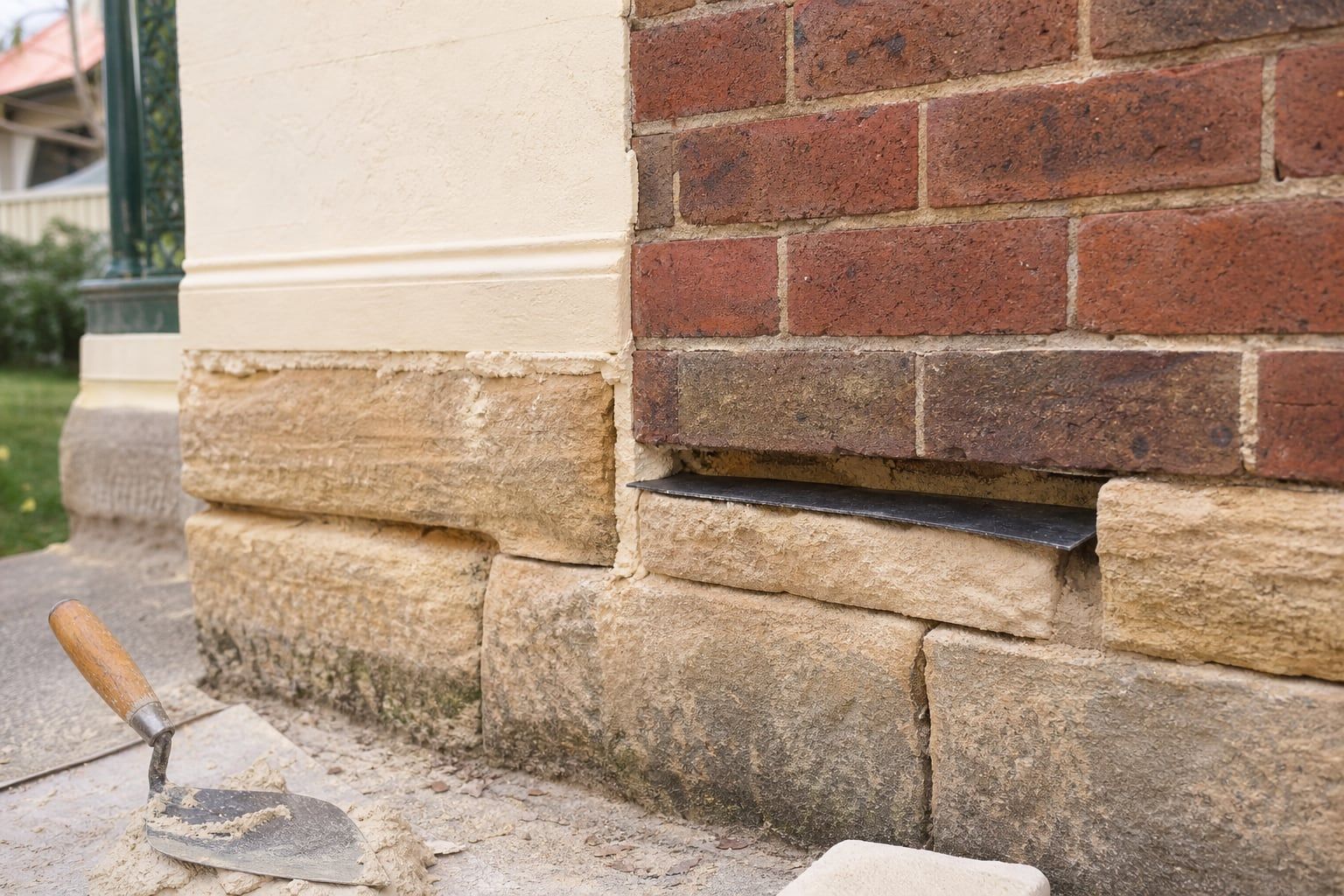
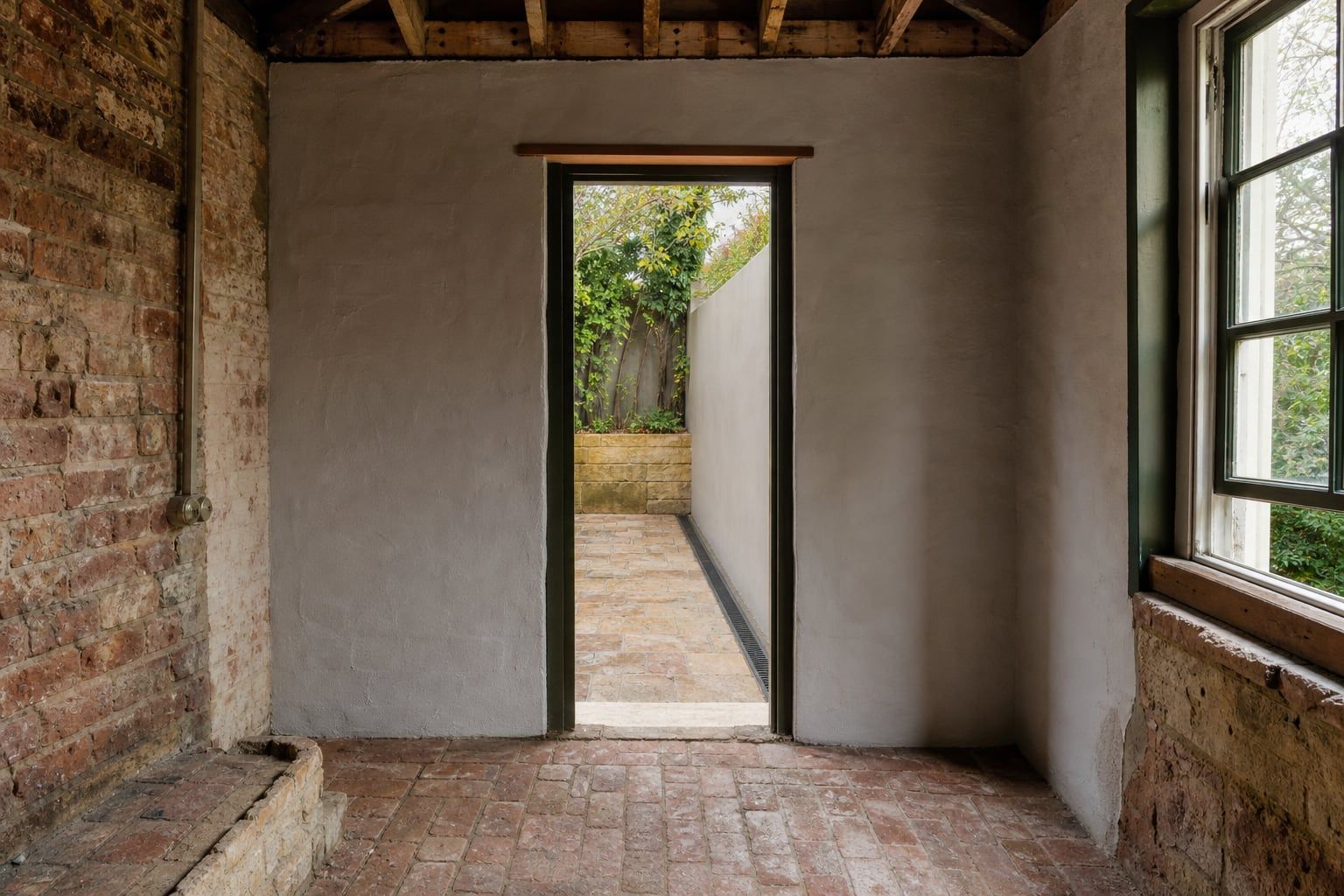
Every Birchgrove job starts with a careful look at how the house was built. We take readings on each wall, check outside levels and drainage, and look under the floor. Brick walls and dressed sandstone often suit a chemical damp course. Rubble-filled walls may need a physical damp course or a different approach. Walls set into the slope get waterproof tanking on the inside face, with drainage improved outside where the block allows.
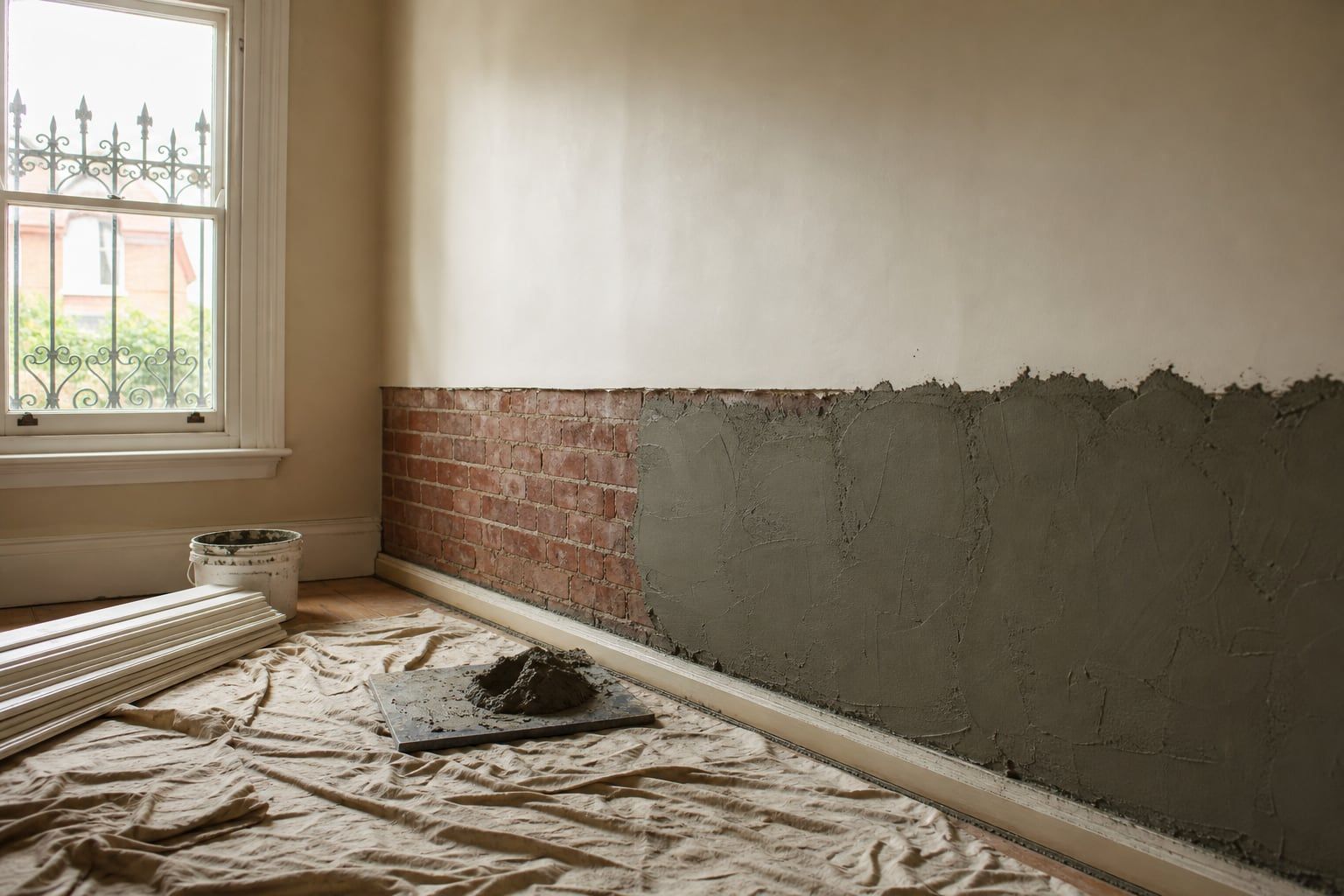
Inside, salt-damaged plaster is removed to a safe margin and replaced with a salt-resistant render. Where cement render has been applied to old stone, we often recommend removing it so the wall can breathe again.
Heritage and council
Birchgrove is within Inner West Council heritage conservation areas, and many homes are individually listed. For most Birchgrove homes, damp treatment inside and like-for-like repairs can go ahead without a council application, though work on street-facing walls or listed fabric might need one. We keep original stone and brick, use lime-based mortars and renders, and avoid anything that changes the look of the house.
Subfloors in Birchgrove
Older Birchgrove homes often have subfloors built partly into rock, with uneven heights and few vents. Damp air trapped there feeds rising damp in the walls above and can affect the floor timbers. Where readings show it, we include subfloor ventilation in the quote.
Before you book
If there’s a stale smell in your lower rooms or mould on walls near the floor, mention it when you call. We inspect Birchgrove homes free of charge and put the price in writing before any work starts. We also cover the rest of the peninsula, including rising damp in Balmain and rising damp in Balmain East.
Updated
Rising damp services in Birchgrove
What we do for Birchgrove homes, chosen to suit how each house was built.
Why Birchgrove homeowners call us
15+ years on Inner West damp
Solid brick, sandstone footings and lime mortar are what we have worked on for more than 15 years, so the treatment is chosen for the wall, not the other way round.
Cause first
We measure moisture and check drainage, ground levels, leaks and ventilation before recommending a damp course, so you only pay for what fixes the problem.
Fixed-price quotes
You get a written, fixed-price quote after the inspection, with no obligation to go ahead.
How a Birchgrove job runs
- We inspect and measureWe confirm it's genuinely rising damp, not a leak, and measure how far it has climbed.
- Install the damp courseWe inject or insert a new damp-proof barrier along the affected walls.
- Repair the plasterWe hack off salt-damaged render and replaster with a salt-resistant system.
- Dry out and checkThe wall dries over the following weeks, and we check back that it's holding.
Rising damp guides for Birchgrove homeowners
- Tide marks on walls: what a rising damp tide mark meansWhy a brown or white line forms along the bottom of damp walls, how to tell rising damp from other causes, and what fixes it.
- Bubbling paint and blown plaster: is it rising damp?Why paint blisters and plaster crumbles near the floor of older homes, how to find the cause, and how to repair it so it stays fixed.
- Damp, musty smell in the house: finding the sourceWhere the musty smell in older homes comes from, the subfloor and wall problems behind it, and how to get rid of it for good.
- Mould low on walls and skirtings: condensation, rising damp or a leak?How to tell what is causing mould on your walls, why cleaning it off doesn't stop it, and how each cause is fixed.
- White salt deposits on walls: rising damp salt efflorescence explainedWhat the white crystals on damp walls are, why they keep coming back, and how salt-damaged walls are repaired.
Rising damp questions in Birchgrove
Something else on your mind? Call 02 9158 9921 and ask.
Can rising damp be treated in Birchgrove sandstone homes?
Yes. Dressed sandstone walls can often be injected, while rubble-filled walls may suit a cut-in membrane or tanking. We assess each wall at the inspection and explain the options.
My house is near the water. Is that why it's damp?
Proximity to the harbour can mean a higher water table and wetter ground in low-lying spots. On sloping blocks, water running downhill against walls is often a bigger factor. We check both.
Do heritage terraces need special treatment?
Yes. Many Inner West terraces are heritage-listed or in conservation areas, so the fix has to be effective without damaging original brick, render or detailing. We use methods matched to the building fabric.
Is it rising damp, or something else?
Not always. Leaking gutters, blocked drains or lateral moisture can mimic rising damp. We diagnose the real cause first, so you don't pay for treatment you don't need.
How much does rising damp treatment cost?
It depends on the length of wall affected and the method. We give a fixed, no-obligation quote after a free on-site inspection.
How long until the wall dries out?
The new damp course works immediately, but a wall that's been wet for years needs time to release that moisture, typically a few months depending on wall thickness.
Which councils do you work in?
We work across Inner West Council, the City of Canada Bay, Burwood, Strathfield, and the Inner West parts of the City of Sydney and Canterbury-Bankstown.