Rising Damp Inner West
Damp courses, subfloor ventilation and salt-resistant replastering for homes from Balmain to Strathfield.
The Inner West takes in some of Sydney’s oldest suburbs, and its housing is the reason rising damp is so common here. From the sandstone cottages of Balmain and the Victorian terraces of Glebe and Newtown to the Federation homes of Haberfield, Ashfield and Strathfield, most houses were built before modern damp courses, of solid brick and stone on shallow footings.
Rising damp across the Inner West
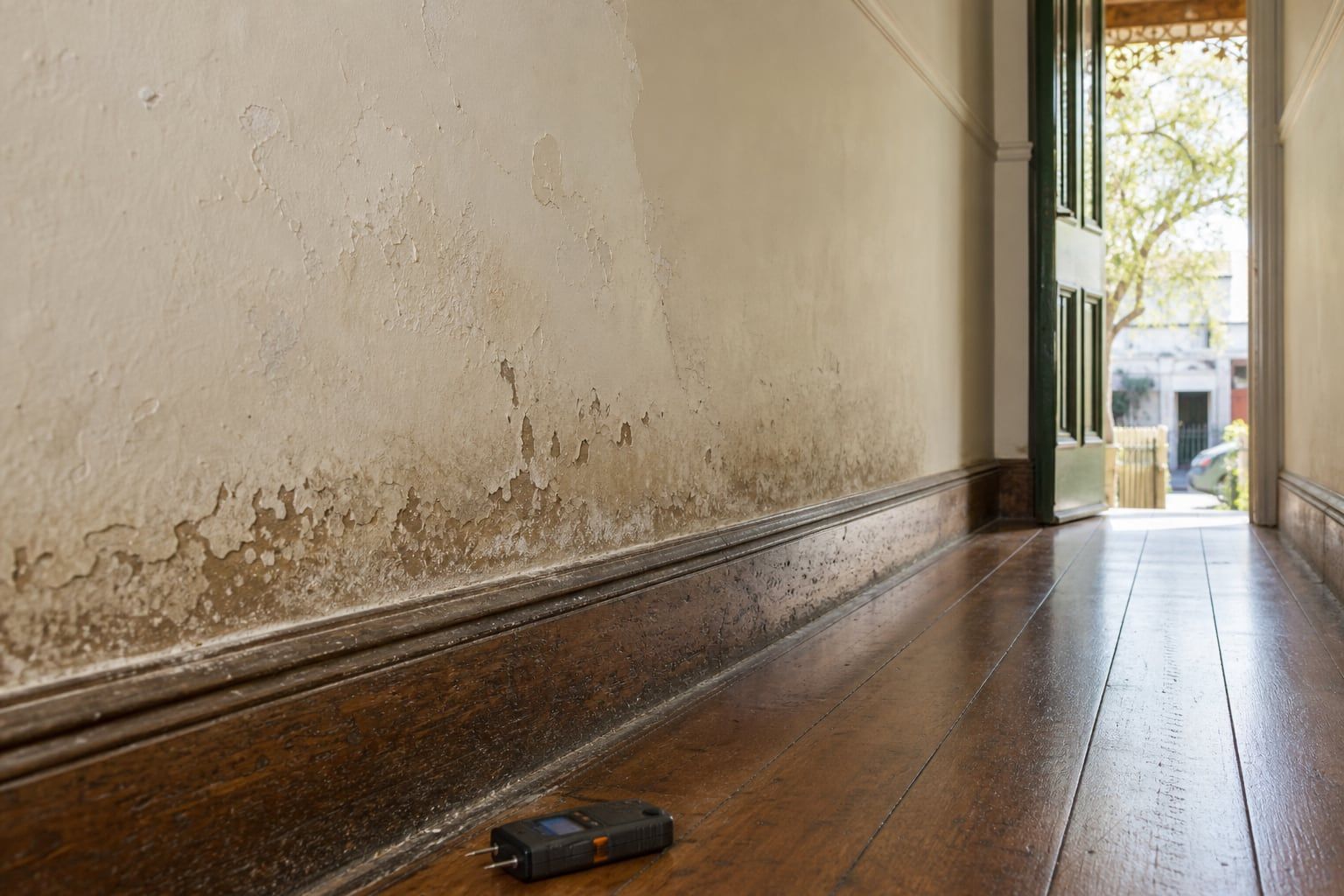
The type of damp changes from suburb to suburb. On the harbour peninsulas of Balmain, Birchgrove and Drummoyne, sloping blocks mean lower rooms often sit against the ground, so water comes through walls from the side. In Marrickville, Leichhardt, Five Dock and the streets near the Cooks River, low ground and wet soil feed classic rising damp. Across the terrace suburbs, long party walls and closed-in subfloors keep internal walls wet.
Local councils and heritage
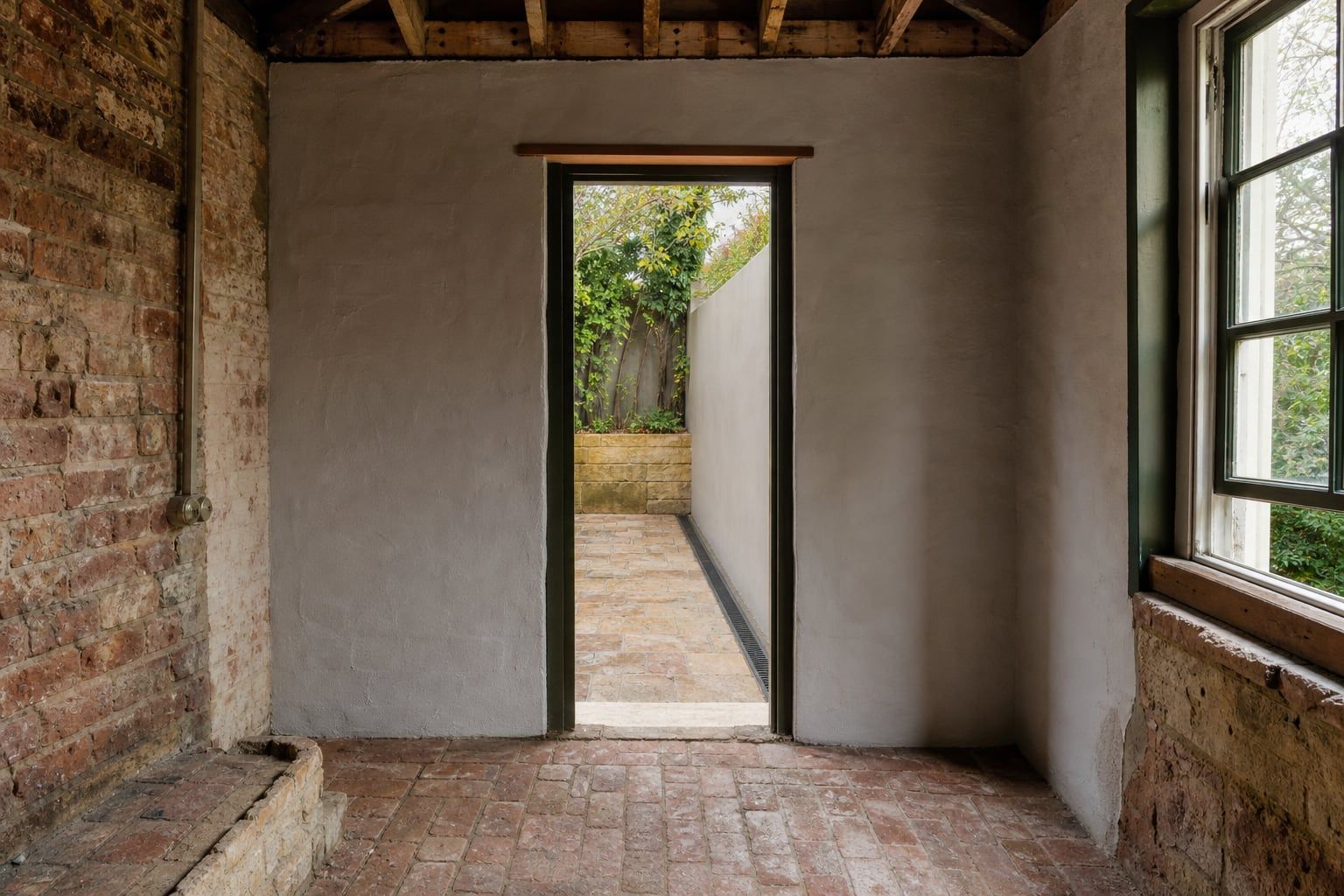
The Inner West covers several councils, and large parts are heritage conservation areas, including Haberfield, Glebe, Balmain, Annandale and Summer Hill. Internal damp treatment and like-for-like repairs usually don’t need approval, but work that changes street-facing walls might. We keep original brick and stone wherever we can and use lime-compatible repairs.
The work we do here
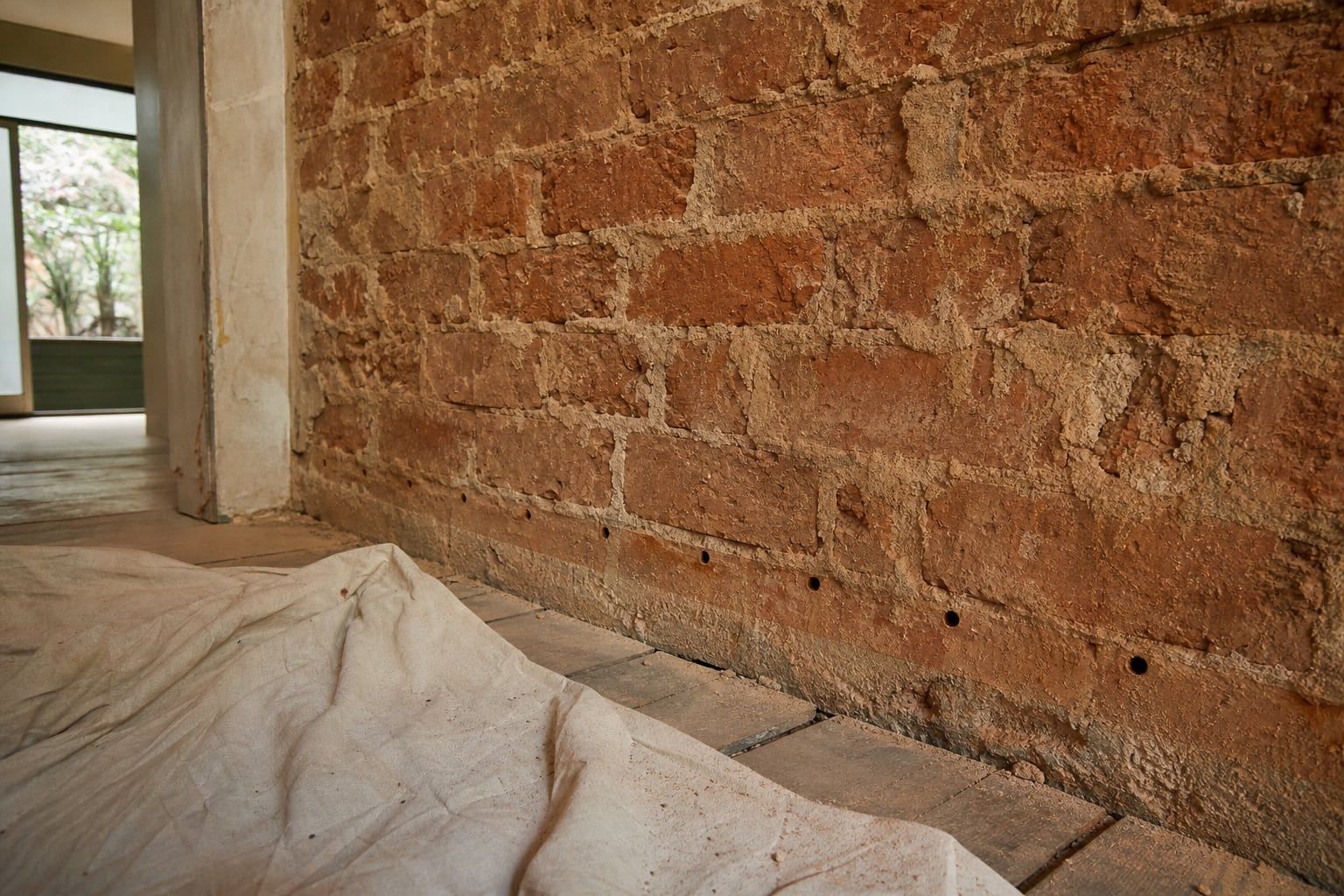
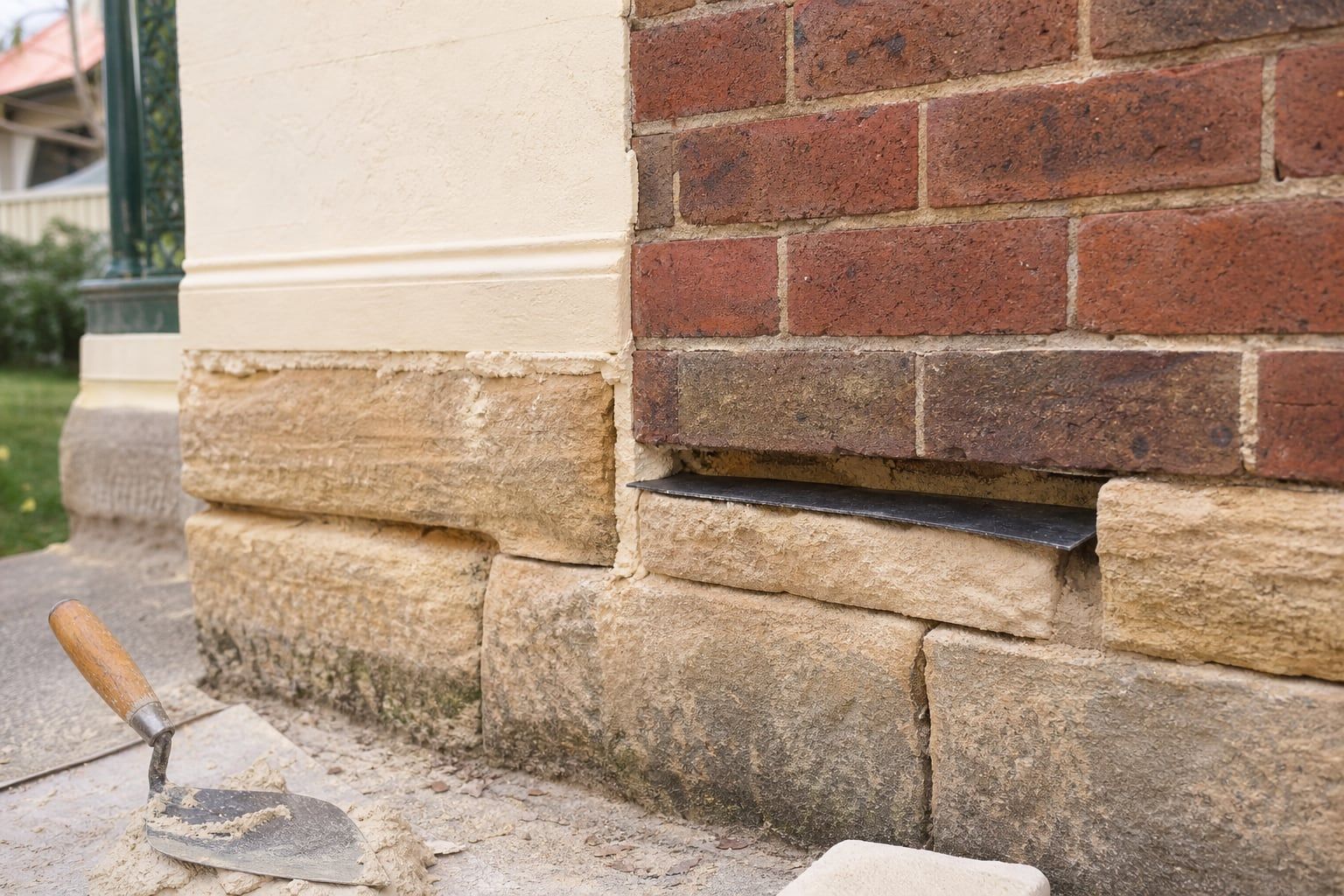
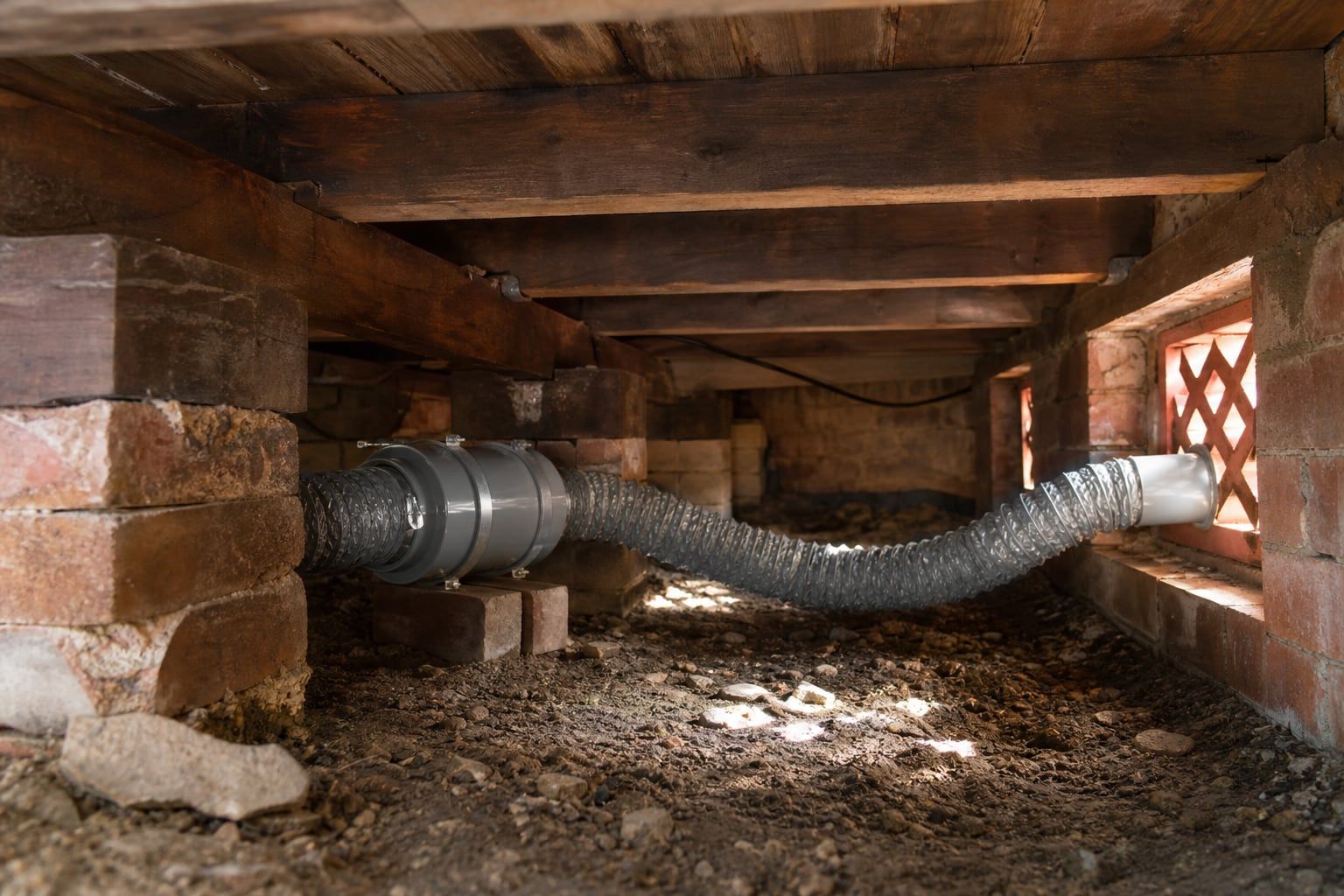
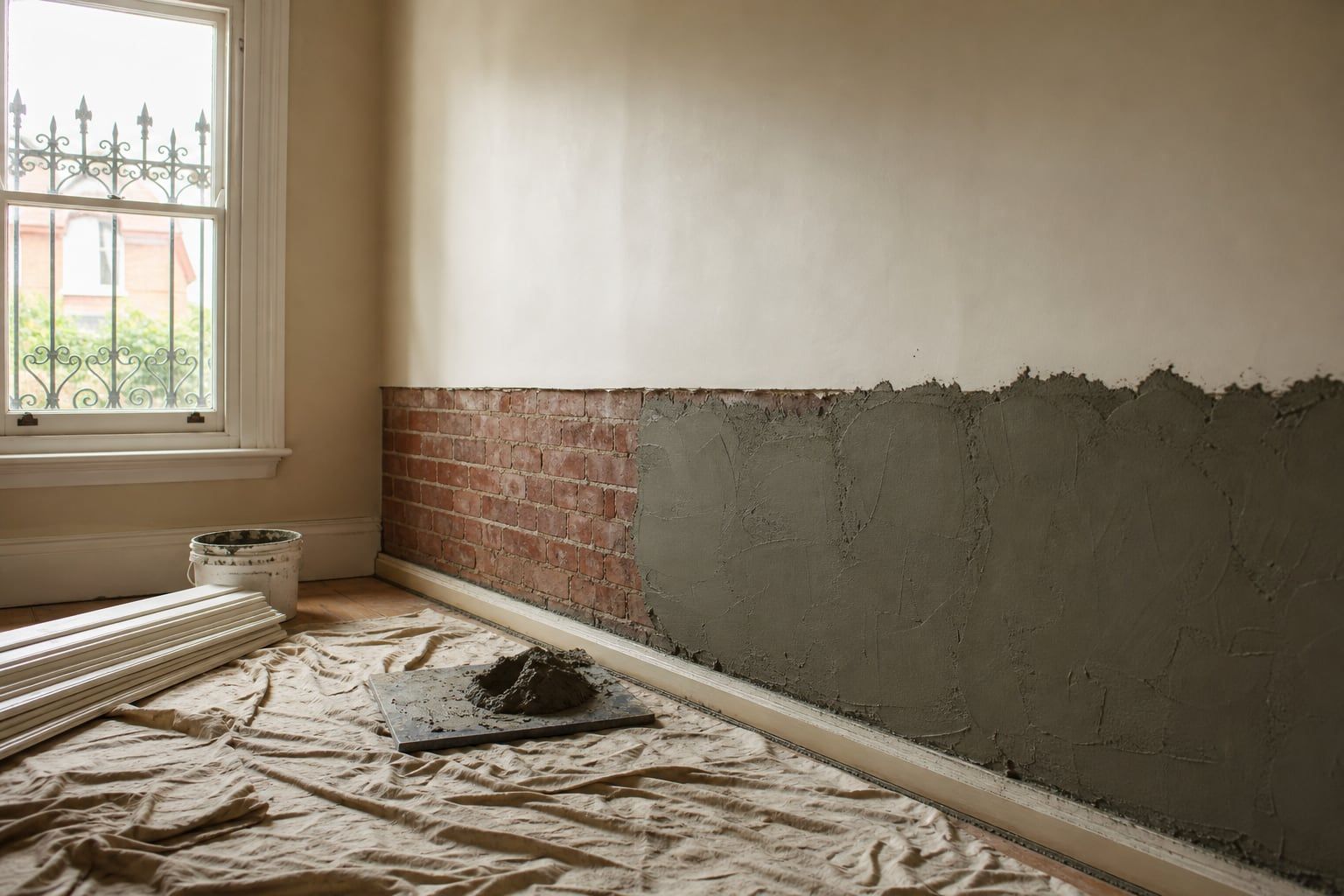
Most Inner West jobs combine a chemical damp course with salt-resistant replastering, and subfloor ventilation where the floor is timber. You can read more on our Inner West rising damp home page, or check the local pages for your suburb below.
Updated
Suburbs we cover in the Inner West
- Marrickville damp specialists
- Leichhardt damp specialists
- Ashfield damp specialists
- Abbotsford damp specialists
- Annandale damp specialists
- Ashbury damp specialists
- Balmain damp specialists
- Balmain East damp specialists
- Belfield damp specialists
- Birchgrove damp specialists
- Breakfast Point damp specialists
- Burwood damp specialists
- Burwood Heights damp specialists
- Cabarita damp specialists
- Camperdown damp specialists
- Canada Bay damp specialists
- Chiswick damp specialists
- Concord damp specialists
- Concord West damp specialists
- Croydon damp specialists
- Croydon Park damp specialists
- Drummoyne damp specialists
- Dulwich Hill damp specialists
- Earlwood damp specialists
- Enfield damp specialists
- Enmore damp specialists
- Erskineville damp specialists
- Five Dock damp specialists
- Forest Lodge damp specialists
- Gladesville damp specialists
- Glebe damp specialists
- Haberfield damp specialists
- Homebush damp specialists
- Homebush West damp specialists
- Hurlstone Park damp specialists
- Lewisham damp specialists
- Liberty Grove damp specialists
- Lilyfield damp specialists
- Mortlake damp specialists
- Newtown damp specialists
- North Strathfield damp specialists
- Petersham damp specialists
- Rhodes damp specialists
- Rodd Point damp specialists
- Rozelle damp specialists
- Russell Lea damp specialists
- St Peters damp specialists
- Stanmore damp specialists
- Strathfield damp specialists
- Strathfield South damp specialists
- Summer Hill damp specialists
- Sydenham damp specialists
- Tempe damp specialists
- Wareemba damp specialists
Rising damp services in the Inner West
Rising damp guides for Inner West homes
Why use us
15+ years on Inner West damp
Solid brick, sandstone footings and lime mortar are what we have worked on for more than 15 years, so the treatment is chosen for the wall, not the other way round.
Cause first
We measure moisture and check drainage, ground levels, leaks and ventilation before recommending a damp course, so you only pay for what fixes the problem.
Fixed-price quotes
You get a written, fixed-price quote after the inspection, with no obligation to go ahead.
Frequently asked questions
Do heritage terraces need special treatment?
Yes. Many Inner West terraces are heritage-listed or in conservation areas, so the fix has to be effective without damaging original brick, render or detailing. We use methods matched to the building fabric.
Is it rising damp, or something else?
Not always. Leaking gutters, blocked drains or lateral moisture can mimic rising damp. We diagnose the real cause first, so you don't pay for treatment you don't need.
How much does rising damp treatment cost?
It depends on the length of wall affected and the method. We give a fixed, no-obligation quote after a free on-site inspection.
How long until the wall dries out?
The new damp course works immediately, but a wall that's been wet for years needs time to release that moisture, typically a few months depending on wall thickness.
Which councils do you work in?
We work across Inner West Council, the City of Canada Bay, Burwood, Strathfield, and the Inner West parts of the City of Sydney and Canterbury-Bankstown.
Ready to get it quoted?
Get a fast, free quote from a local damp specialist. No obligation.