Rising Damp Treatment Across the Inner West
Sydney Water accredited damp proofing for the Inner West’s heritage terraces and cottages. We find the real cause of your rising damp and fix it at the source — then repair the salt-damaged plaster so it stays gone.
★★★★★5.0 on Google · Inner West homeownersGet your free quote
Tell us about your place — a real local will call you back.
Damp proofing built for heritage homes
If you’re chasing rising damp in an Inner West home, you’re in the right place. The area’s Victorian and Federation terraces — from Glebe and Balmain to Newtown and Dulwich Hill — were built with solid brick walls and little or no damp course. Over a century, that barrier fails, and ground moisture wicks straight up into plaster, skirtings and floors. We diagnose the true cause, install a new chemical damp course, and make good the salt-damaged render — carefully, so your home’s heritage fabric stays intact. Not sure what you’re looking at? We explain the common signs of rising damp — tide marks on walls, bubbling paint and plaster, white salt residue, mould low on the walls and a damp, musty smell — in plain English.
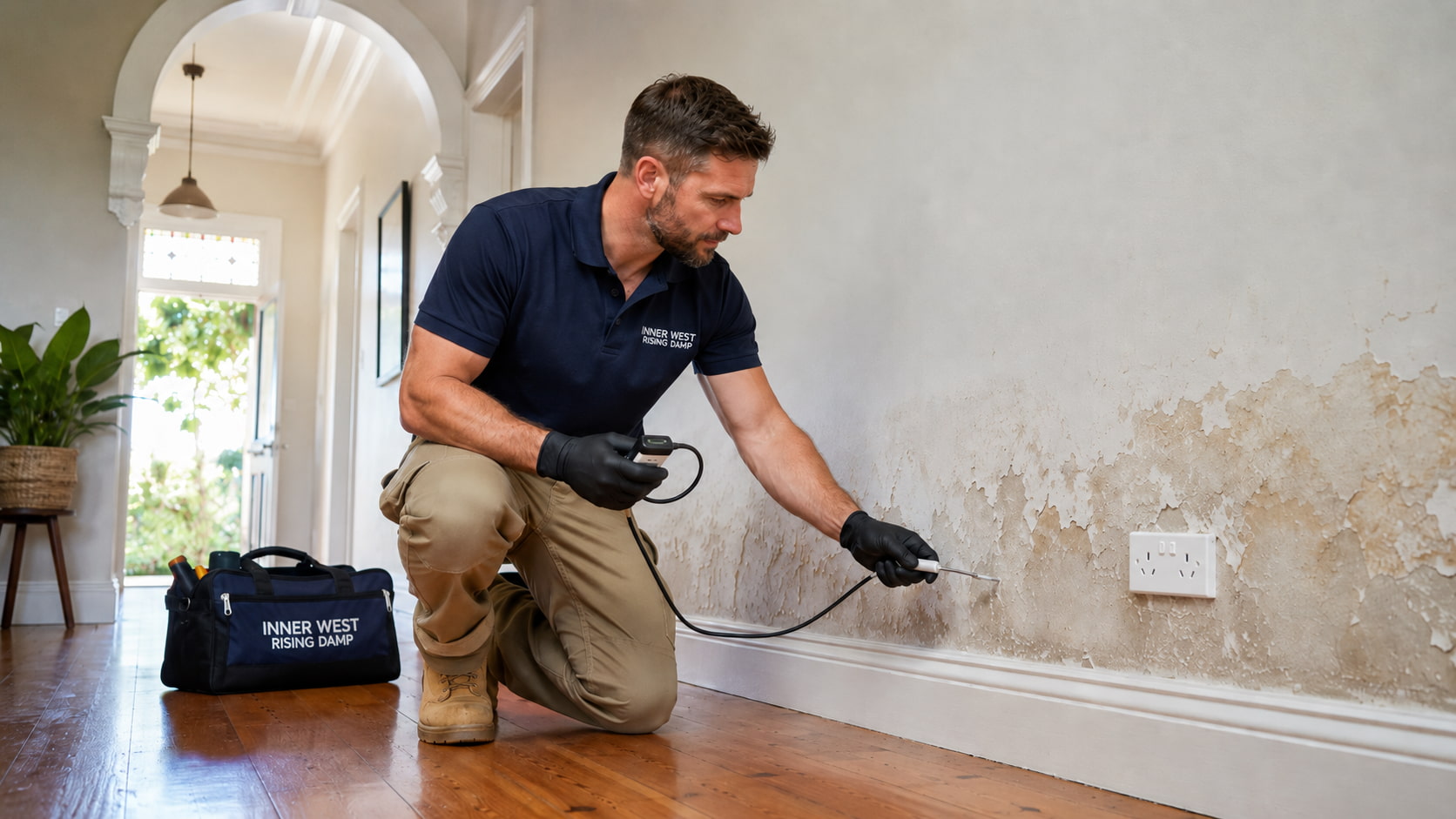
How rising damp climbs — and how we stop it
Hit play. You’ll see groundwater wick up through the brick, then watch a new damp course cut it off and the wall dry out.
The wall starts dry
Press play to watch how rising damp gets into a solid brick wall — and exactly what a new damp course changes.
How we treat rising damp
The right method depends on the wall’s construction, how far the damp has climbed and the state of the plaster. We assess on-site, then fit the right one.
Chemical damp course
We inject a waterproofing cream along the mortar course to form a new horizontal barrier that stops moisture rising.
Physical damp course
Where injection isn’t suitable, a new membrane is inserted into the mortar bed — staggered to protect structural integrity.
Drainage & tanking
On low, wet sites we add subsoil drainage or tanking to divert groundwater away before it reaches the wall.
Why Inner West homes get rising damp
Most of the Inner West was built between the 1850s and early 1900s, on sandstone footings with solid brick walls and no cavity. Add low-lying streets near the harbour and the Cooks River, and moisture has an easy path straight up into the wall. It’s one of the most damp-prone housing stocks in Sydney — and exactly what we specialise in.
Signs of rising damp
If you’re seeing two or three of these in a heritage home, it’s worth an inspection.
A damp, musty smell
That “old house” smell at the door — moisture held in the wall.
A tide-mark on the wall
A horizontal stain about a metre up, where the moisture stops.
Bubbling paint & plaster
Paint lifting and render blowing off as salts crystallise.
White salt residue
A powdery white bloom on brick or skirting — a classic tell.
Mould low on walls
Black spotting near the skirtings and behind furniture.
Cold, damp skirtings
Timber near the wall that feels cold, soft or damp.
Rated 5.0 from 108 Google reviews
What Inner West homeowners say about our damp & ventilation work.
“Inner West Rising Damp treated rising damp affecting several lower walls in our Croydon property and everything was handled professionally.”
“Mould problems in one bedroom completely disappeared after the works were completed.”
“The house constantly felt humid downstairs before the ventilation work was done.”
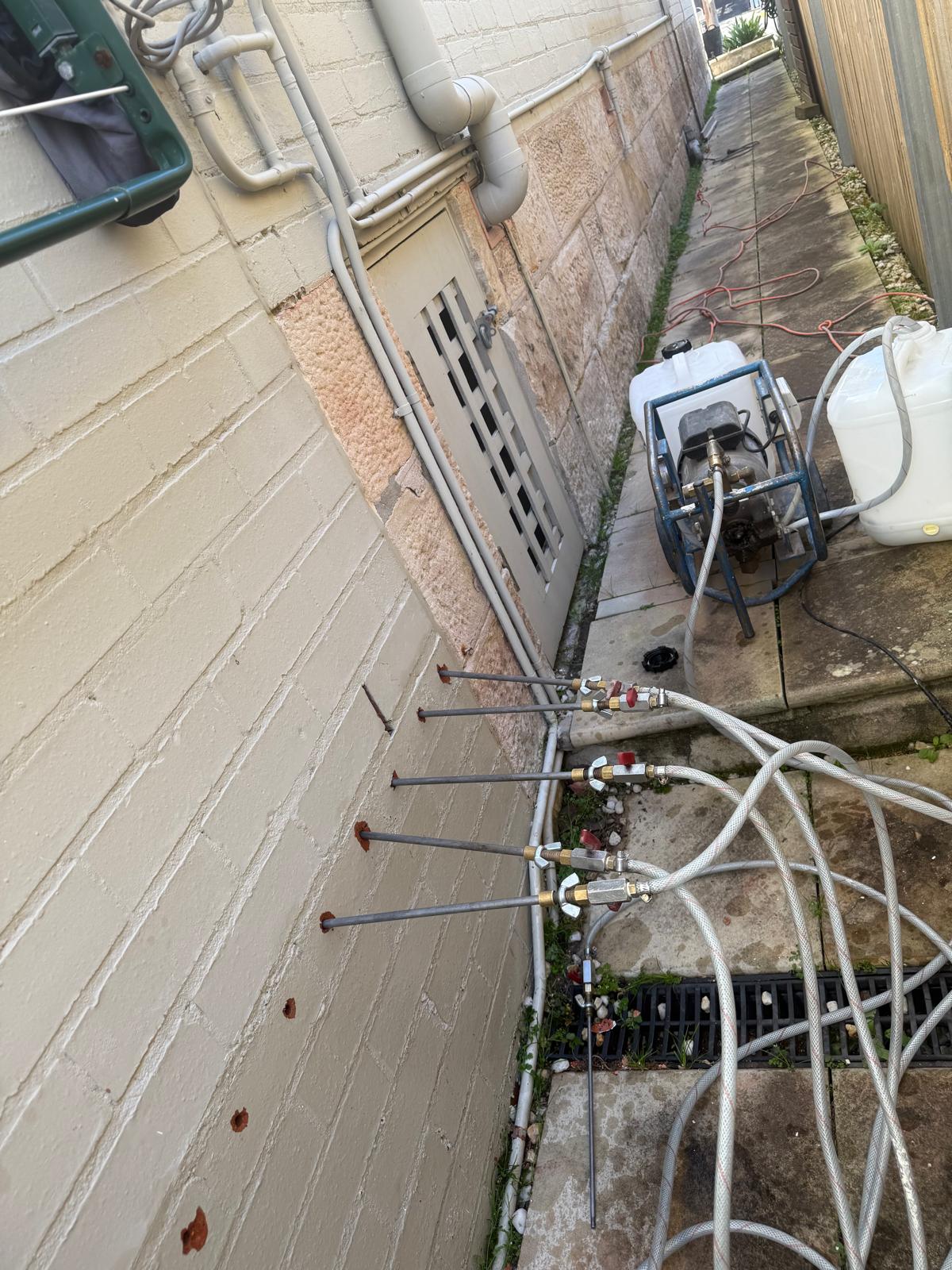
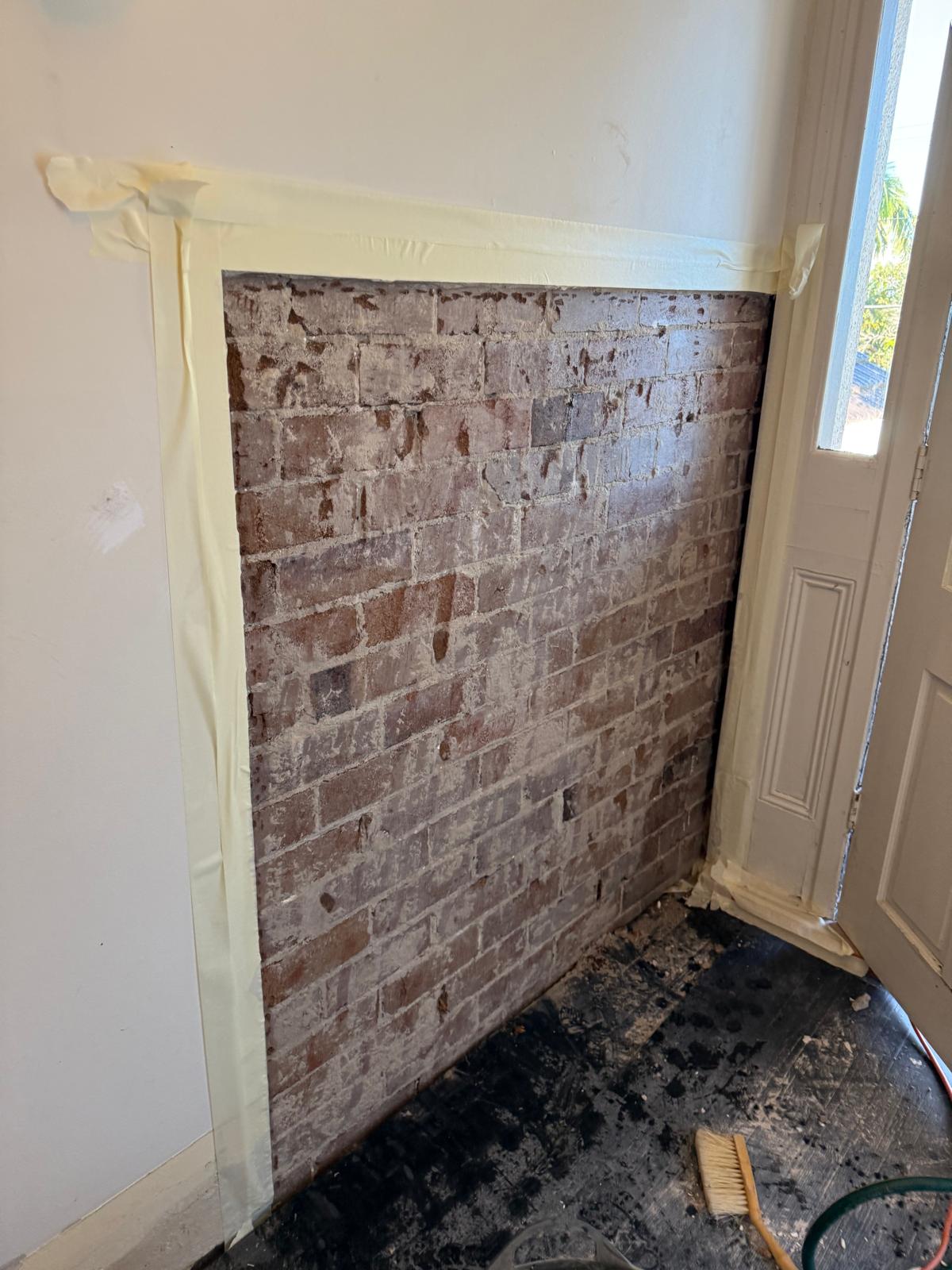
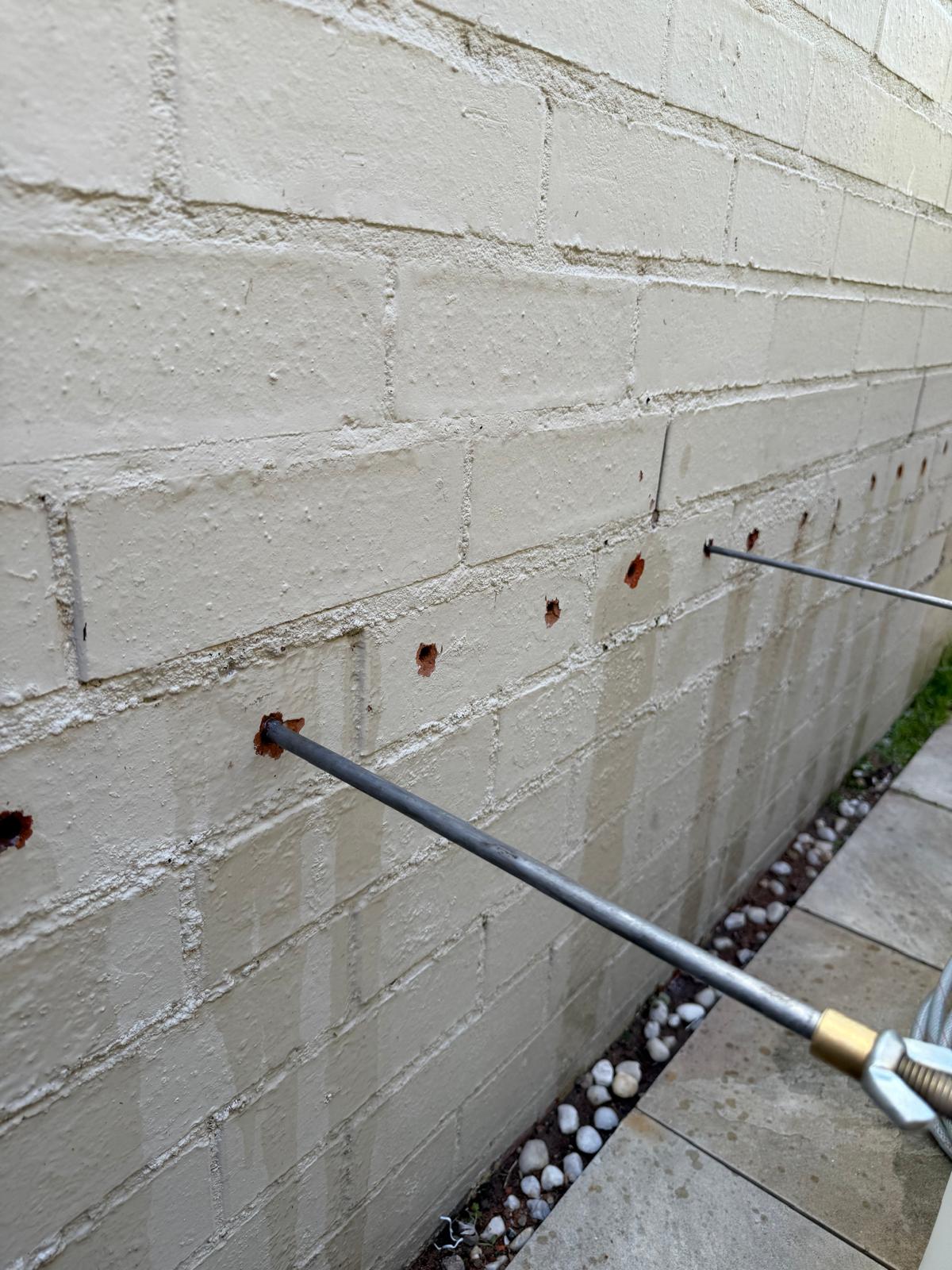
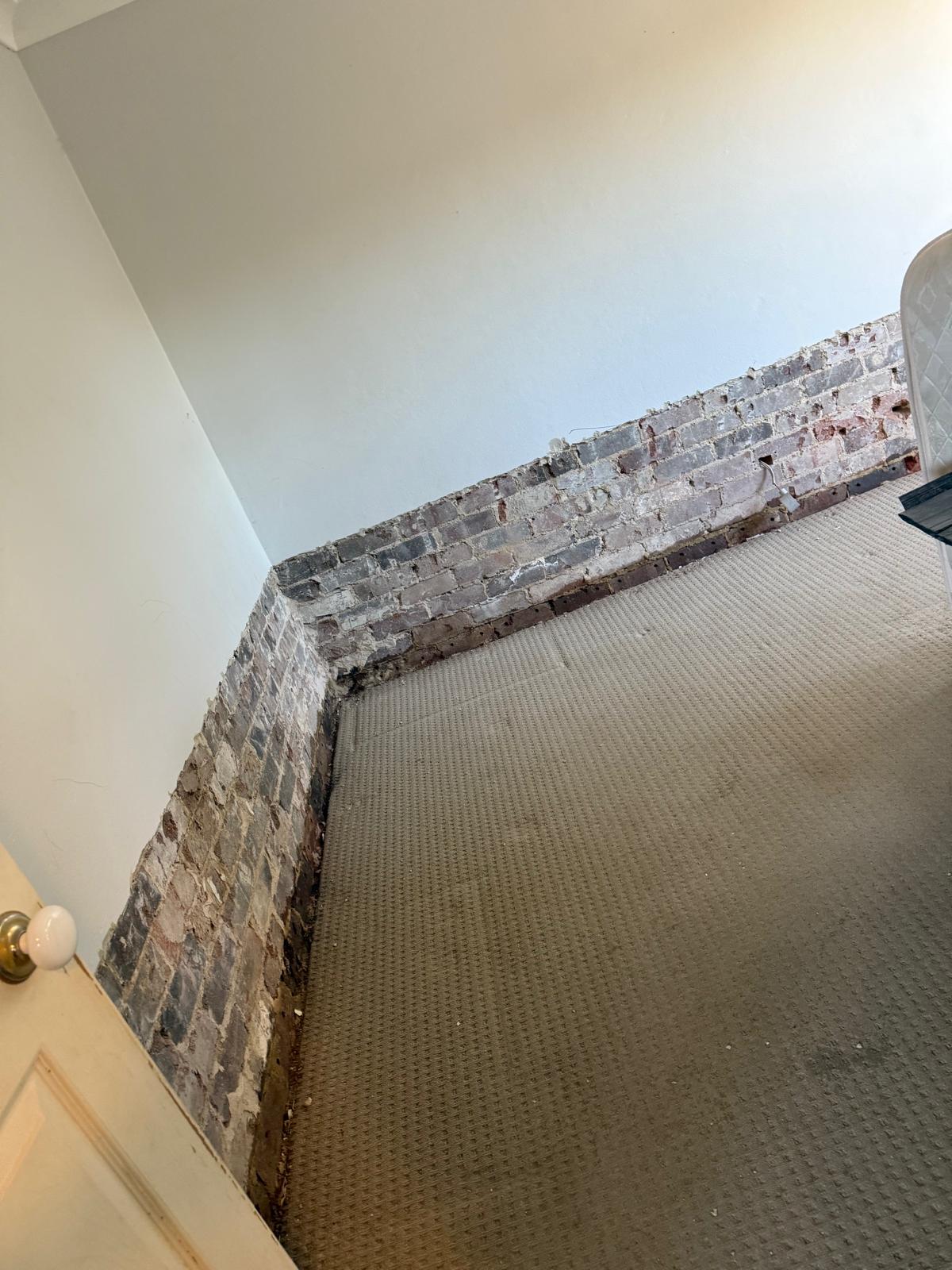
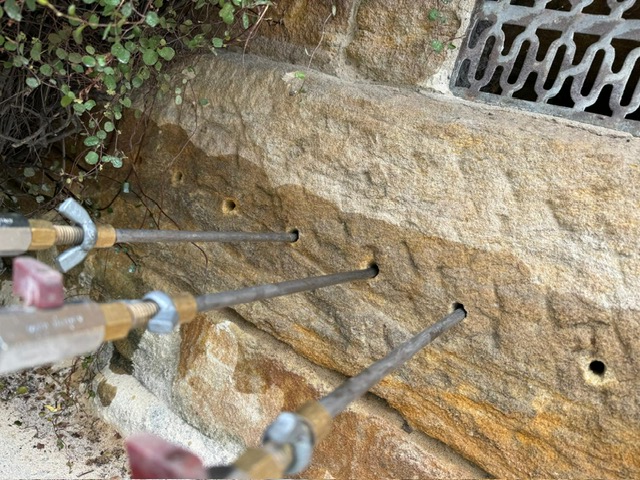
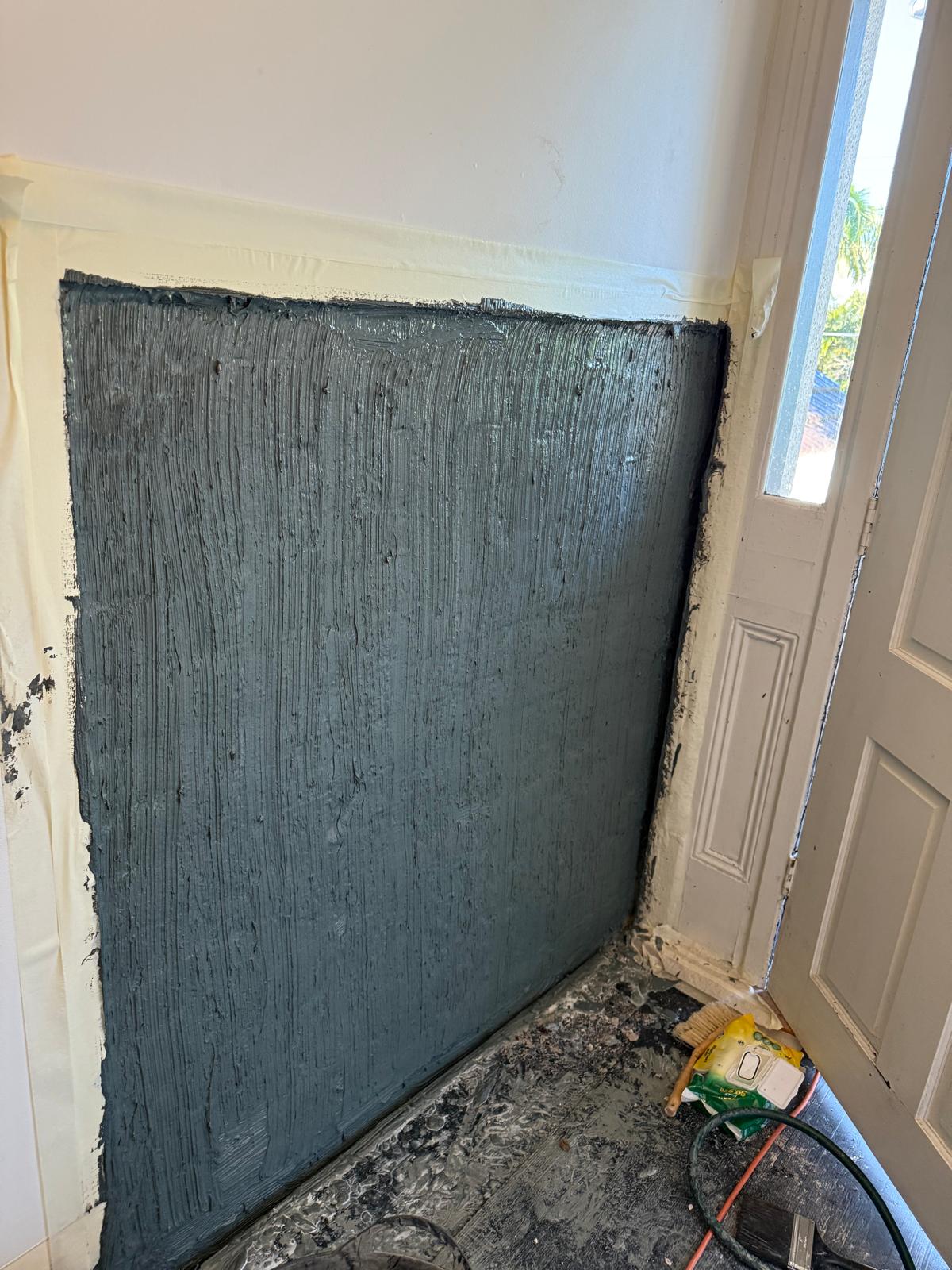
Damp & ventilation jobs across the Inner West
A look at rising damp and subfloor work we’ve completed on local terraces and cottages.
Areas we cover
Local rising damp treatment across the Inner West’s heritage suburbs — with a dedicated local team.
Don’t see your suburb? We cover the whole Inner West and Inner City — give us a call and we’ll come to you.
How the job runs
Four steps, no jargon, no mess left behind.
We inspect & measure
We confirm it’s genuinely rising damp — not a leak — and measure how far it’s climbed.
Install the damp course
We inject or insert a new damp-proof barrier along the affected walls.
Repair the plaster
We hack off salt-damaged render and re-plaster with a salt-resistant system.
Dry out & check
The wall dries over the following weeks — we check back that it’s holding.
A local team you can rely on
Rising damp FAQs
Do heritage terraces need special treatment?
Is it rising damp, or something else?
How much does rising damp treatment cost?
How long until the wall dries out?
Book your free damp inspection
We’ll find the cause, measure the moisture and give you a friendly, fixed quote — no pressure.
Call 02 9158 9921Rather fill in a form?
Send your details and a local will call you back — usually within the hour.
Request a free quote ↑